What happens on closing day when you sell a house?
Closing day is when papers are signed, the money moves and the keys change hands. Here is the day in plain words.
October 16, 2026 · 3 min read
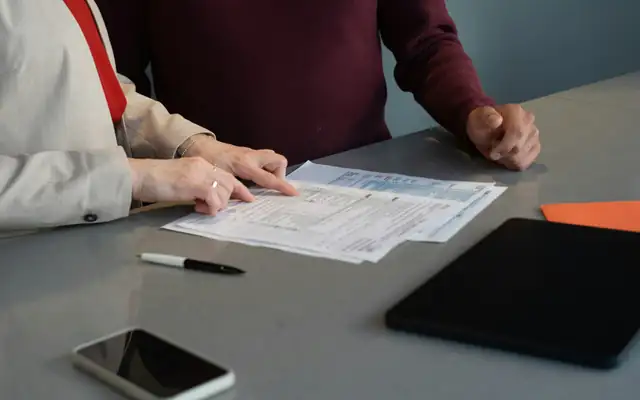
Closing day is the last step in selling your home. You sign the final papers. The money moves, and the buyer becomes the new owner. Freddie Mac says it typically takes 30 to 45 days to reach this point after an offer is accepted.
What is closing day?
Closing day is also called settlement. It's when you sign the final papers, get paid for your home and give the buyer the keys. A closing ends the sale. The CFPB says this is when the papers for the home and the buyer's loan get signed. After closing, the home is no longer yours.
We used Freddie Mac's buyer guide to explain the day. Since it's written for buyers, it includes more steps and different papers than a seller usually has.
What happens before closing day?
Three things usually happen before closing.
- Title check. A title search usually starts after you accept an offer. It looks for claims against the home, such as or court judgments. These can stop the sale from going through.
- Closing Disclosure. The buyer's lender sends this three days before closing. It shows the buyer's loan terms and costs.
- Final walk-through. Freddie Mac says buyers usually ask to see the home one last time about 24 hours before closing.
Who runs the closing?
It depends on where you live. Freddie Mac says some states require an attorney for a real estate transaction. In other states, an agent or handles it. You may also hear that person called a closing agent.
Your contract and your or attorney can tell you who will run your closing. They can also explain which papers you'll sign.
What is the final walk-through?
It's the buyer's last chance to look at the home before closing. Freddie Mac says the buyer and their agent can check two things. Have the agreed repairs been done? Has the seller moved out?
They may also find problems, such as trash or other things left behind, a broken window, or something missing that the contract said would stay.
If there's a problem, Freddie Mac says the attorney or escrow agent may ask the seller for extra money at closing. That money would cover the fix. Our glossary entry on the walk-through explains more.
What does a seller hand over?
NAR has a seller handoff checklist of things the new owner may need as closing gets closer:
- keys and access codes
- manuals and warranties for appliances and HVAC
- utility and service-provider details
- smart-home and maintenance information
Simple to understand isn't the same as no work. A lot of papers and dates come before closing day. Our home selling timeline shows where closing fits into the sale. You can also start with how selling a house works, the first post in this series.
What is closing day for a seller?
It's the day final papers are signed, the seller is paid for the home and the buyer gets the keys. Freddie Mac also calls it settlement.
Do I have to attend closing?
Our sources don't say. Practices differ by state and by contract. The attorney, escrow agent or title company running your closing can say how yours works.
When does the seller get paid?
We couldn't verify a national rule. Timing can depend on the state, the closing agent and the contract, so ask the person running your closing.
Can a sale fall through at the end?
NAR says a signed contract doesn't promise a closing. Liens, ownership disputes, or inspection problems and closing-date issues can all be roadblocks.
An underlined word opens what it means, here, without losing your place. Every word a sale uses is a page of its own.
Not selling yet?
Get the steps of a home sale by email, in the order they happen, one short email at a time.
Eight short emails, free. Unsubscribe any time. What's in them



Your own sale, in one place.
Everything above happens to one house on one set of dates. A Room keeps that house's steps, papers, people and numbers together, and tells you what needs you today.
Organize my saleFree to set up. Pay once when you list: $89 or $189. 7-day refund.