How selling a house works, in plain words
A home sale is a few main steps in a row. Here's what happens, in plain words, from getting the house ready to handing over the keys.
October 8, 2026 · 4 min read
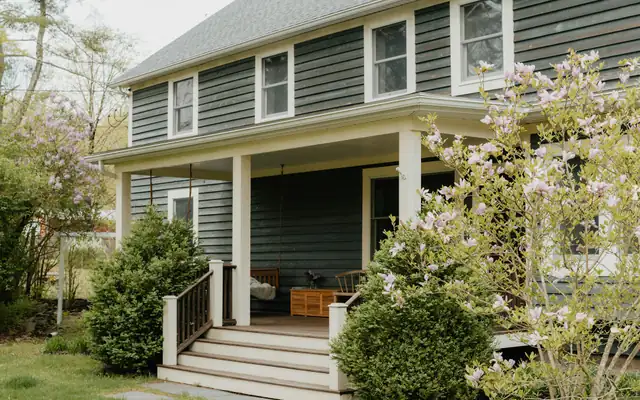
Selling a house has a few main parts. You get the house ready and list it. Buyers come to see it. Someone makes an offer, you agree on a deal, and the buyer gets time for a few checks. Then everyone signs, the money moves, and the buyer gets the keys.
That's the shape of it. The names for each step can make it sound harder than it is, so here they are one at a time.
How does selling a house work?
1. Get the house ready
Sellers usually start with the house itself and its paperwork. That can mean cleaning, making the repairs they choose to make, and gathering records.
Most states also use a . It asks about problems the seller knows about. NAR notes that the rules for these forms vary by state.
2. Set an and list
The seller sets an asking price. Then the home is listed for sale, usually with photos and details about the property. That's what people mean when they say a house is "on the market." Some sellers check what a price would leave them with first, using a home sale proceeds calculator.
3. Buyers come to see it
Interested buyers visit the house, and those visits are called showings. NAR reported that the typical home in July 2026 spent 29 days on the market before a deal was made.
4. A buyer makes an offer
An offer says what the buyer will pay and on what terms. The seller can accept it, turn it down, or send back different terms. Different terms sent back to the buyer are called a counteroffer. When more than one offer arrives, a side-by-side view like our compare offers tool shows how the terms differ.
5. Both sides sign a contract
Once both sides agree, they sign a purchase contract, and the home is now "." The buyer usually puts down earnest money. That's a deposit that shows they mean it.
6. The buyer finishes their checks
The contract can give the buyer time to check certain parts of the deal. These are called contingencies, and each one has its own deadline. Common ones include:
- Inspection. An inspector looks over the house and reports what they find.
- [Appraisal](/glossary/appraisal). An appraiser estimates the home's value for the buyer's lender.
- Financing. The buyer finishes the loan process.
- Title. A title search checks the property records for ownership, old loans or other claims.
7. The sale closes
Closing is the last part. Everyone signs the final papers, the money moves, and ownership moves to the buyer. For a purchase with a loan, the CFPB says the lender gives the buyer a final at least three business days before closing. Once the sale is complete, the buyer gets the keys. Our page on what happens after accepting an offer shows these weeks in more detail.
What happens if one of the checks finds something?
What if the inspection finds something?
The lists what the inspector found. NAR's guide says a buyer may use it to ask for repairs or another change to the deal.
What if the comes in low?
NAR's guide lists a few usual outcomes. The price may come down, the buyer may bring more cash, or the buyer may ask for another review of the appraisal. What happens depends on the contract and what both sides agree to.
What if there's a problem?
A can find old loans, or other claims tied to the property. NAR says those get cleared up before the sale moves forward.
What if the deal falls through?
It happens, but most deals close. NAR's consumer guide puts the fallout rate at about 5%.
Watch where the money goes
A lot of money moves near closing, which makes home sales a target for . NAR, citing FBI data, reported 12,368 real estate fraud complaints in 2025 and more than $275 million in losses. That count also covers rental and investment scams, not only sales.
NAR advises confirming any change to wiring instructions by calling a phone number you already trust. Our post on wire fraud warning signs explains how that kind of scam works.
See the whole sale at once
Our free home selling checklist puts every step in order, with no account needed, and the home selling timeline works the dates back from when you'd like to move. If you'd like your dates, documents, people and steps together as the sale moves along, that's what a Keighbor Room is for.
Get ready. List. Show. Agree. Let the buyer check. Close. Hand over the keys.
How long does it take to sell a house?
There are two stretches. First, the house stays on the market until a deal is made; NAR's median for July 2026 was 29 days. Then come the buyer's checks and closing, which usually add several more weeks. The contract sets the actual dates, so each sale is different.
Do most home sales close?
Yes. NAR's consumer guide says about 5% of deals fall through. When one does, common reasons include the buyer's loan being denied, a problem found during a check, or a missed contract deadline.
Do I need a real estate agent to sell my house?
Homes are sold both ways. NAR reported that 91% of sellers used an agent in its latest survey, and the rest sold without one. Who else takes part depends on the state too, since some states use attorneys at closing.
What happens on closing day?
The final papers are signed, the buyer's money is sent, and ownership changes hands. For a purchase with a loan, the CFPB says the buyer gets a Closing Disclosure at least three business days before. Once the sale is complete, the buyer gets the keys.
An underlined word opens what it means, here, without losing your place. Every word a sale uses is a page of its own.
Not selling yet?
Get the steps of a home sale by email, in the order they happen, one short email at a time.
Eight short emails, free. Unsubscribe any time. What's in them


Your own sale, in one place.
Everything above happens to one house on one set of dates. A Room keeps that house's steps, papers, people and numbers together, and tells you what needs you today.
Organize my saleFree to set up. Pay once when you list: $89 or $189. 7-day refund.