Does more inventory mean you can't sell your home?
Sellers outnumbered buyers by a record 57.9% in August 2026, yet a quarter of homes still sold above asking. What more inventory does and doesn't mean.
September 26, 2026 · 4 min read
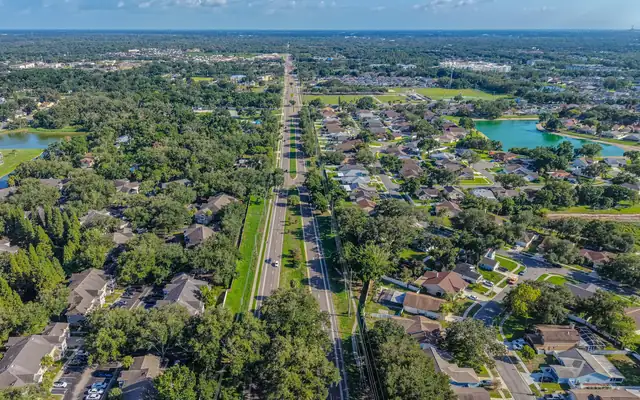
No. More homes for sale means buyers have more choices, not that homes stop selling. In August 2026 Redfin estimated 57.9% more sellers than buyers nationwide, the widest gap in its records. Yet in the four weeks ending September 13, 25.1% of homes that sold went for more than their .
Both things can be true at once, because what is happening nationally does not necessarily reflect what will happen for you. Here are the four beliefs that come up most, and what the numbers say about them.
Myth: more inventory means homes aren't selling
Homes are selling, just more slowly on average. Redfin put the national median at 50 days on the market in August 2026, which is the same as a year earlier.
What fell was new contracts. Pending sales were 299,126 in the four weeks ending September 13, down 5.4% from a year earlier and the lowest in about three years. Fewer buyers are signing, but hundreds of thousands still are.
Myth: a buyer's market means prices are falling
Not nationally, at least not yet. The median sale price was $397,633 in the four weeks ending September 13, still up 2% from a year earlier. Homes sold for 98.6% of their on average.
What a buyer's market does change is who has room to bargain. Redfin notes that when sellers outnumber buyers, buyers typically have more room to negotiate because they have options. That tends to show up as price reductions, and more back-and-forth on terms, more than as a drop in the headline price.
Myth: the national number describes your street
It rarely does. In the same month national inventory rose, several counties moved the other way:
- San Diego County, California: active listings fell 5.6% from a year earlier, to 8,709.
- Cook County, Illinois: listings fell 3.6% to 19,578, with about three months of supply against roughly four nationally.
- Middlesex County, Massachusetts: listings rose 20% to 4,327, yet supply stayed at 2.3 months because buyers kept pace.
- Hillsborough County, New Hampshire: listings rose 7% to 1,409, with supply near two months.
Listings in Middlesex County increased by a fifth, and homes still sold in a median of 23 days, under half the national time. This is a great example of how inventory does not always determine sale duration.
A national count of sellers and buyers describes the market. It doesn't describe your house.
How it looks in three states
State associations count inventory from their own listing data. In August 2026, three of them pointed three different ways.
- Indiana: more homes, and they still sold fast. Central Indiana's inventory rose 17.8% from a year earlier, yet homes sold in a median of 18 days (F.C. Tucker figures, as reported by Giant FM). The Indianapolis-area MIBOR market had 2.8 months of inventory, up from 2.4 (Indiana Realtors figures, as reported by Roots Realty).
- Florida: fewer homes for sale. Florida Realtors counted 13% fewer on the market than a year earlier, with 4.3 months of supply. and were different, at 7.7 months of supply.
- California: fewer homes, and fewer contracts too. The California Association of Realtors reported active listings down 6.2% from a year earlier and 3.7 months of supply. Homes sold for 98.9% of list price on average, yet pending sales fell 8.5% (as reported by Pasadena Now).
Florida shows why one number is never the whole story. Redfin ranked Miami among the strongest buyer's markets in the country, while Florida's statewide inventory was falling. Fewer homes and even fewer buyers can both be true in the same place.
Myth: nobody gets multiple offers in a buyer's market
Some homes still draw competition. The 25.1% of homes that sold above asking in mid-September went up from 24.5% a few weeks earlier.
That figure only counts homes that sold in that window. It doesn't say a quarter of all listings get offers over asking, and the share varies by metro. Redfin reported that 85% of homes in West Palm Beach sold below asking in August, the highest share in the country.
How a buyer's market is measured
There isn't one official definition. Redfin compares its estimate of sellers (based on active listings) with its estimate of buyers (based partly on its own touring data). Other reports use months of supply, or the sale-to-list ratio.
The same data doesn't explain why one home sells fast and another sits. Location, price, condition, the type of home and the competition nearby all play a part. For how the wait itself is changing, see why homes are taking longer to sell this fall. When offers do come in, our offer comparison workspace lays them side by side, net of costs. If you're working with an agent, how Keighbor fits alongside them explains what stays in your hands.
Does more housing inventory mean my home won't sell?
No. More inventory gives buyers more options, which usually means more time and more negotiation. In August 2026, with sellers outnumbering buyers by a record 57.9%, the national median was still 50 days on the market, and about a quarter of homes that sold went above asking in mid-September.
What is the difference between a buyer's market and a seller's market?
In a buyer's market there are more sellers than buyers, so buyers have more choice and negotiating room. In a seller's market it's the reverse. There's no single official threshold. Redfin compares estimated sellers with estimated buyers; others use months of supply or days on market.
Can a home still sell above asking price in a buyer's market?
Yes. In the four weeks ending September 13, 2026, 25.1% of US homes that sold fetched more than their asking price, according to Redfin. That share covers homes that sold, not all listings, and it varies widely by area.
What does months of supply mean for a home seller?
Months of supply is how long current listings would last at the current pace of sales, with no new homes added. Redfin reported that it would take about four months nationally in August 2026. Of course, local figures differ: Middlesex County, Massachusetts, was at 2.3 months the same month.
An underlined word opens what it means, here, without losing your place. Every word a sale uses is a page of its own.



Your own sale, in one place.
Everything above happens to one house on one set of dates. A Room keeps that house's steps, papers, people and numbers together, and tells you what needs you today.
Organize my sale