13.9 million Boomer homes may change hands by 2036
Realtor.com expects 13.9 million Boomer and Silent Generation homes to leave their owners by 2036. That is not 13.9 million listings.
October 12, 2026 · 4 min read
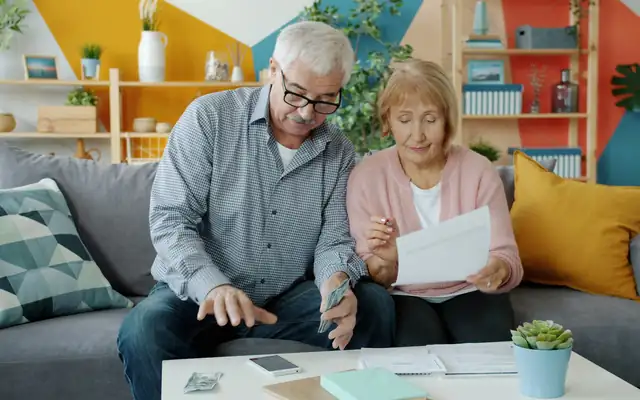
Realtor.com Research expects 13.9 million homes owned and lived in by Baby Boomers and the Silent Generation to return to the market between 2026 and 2036. That's about 1.39 million homes a year on average.
But that doesn't mean all 13.9 million homes will be sold. Here's what the estimate includes and what it tells us.
What is the 13.9 million number?
Realtor.com estimates that Boomers and the Silent Generation owned and lived in 36.7 million homes in 2026. By 2036, it expects that number to fall to 22.8 million. That's a difference of 13.9 million homes.
That's 3.5 million more homes than in the last ten years, a 33.7% increase. Realtor.com expects the yearly number to grow from about 1.27 million homes in 2027 to 1.52 million in 2036. Around 2029, Boomers are expected to overtake the Silent Generation as the main source of these homes.
Does 13.9 million mean 13.9 million listings?
No. The number counts homes that older generations no longer own and live in. Realtor.com gives several reasons this can happen. An owner might die, move into a care facility, move in with someone else, or start renting.
What happens to the home depends on the situation. It might be sold, kept by a family member, rented out, or become part of another household. Realtor.com says not every home counted in the estimate will necessarily be listed for sale.
What kinds of homes are they?
Florida , summarizing the report, says about 9.9 million of these homes have three or four bedrooms. That's roughly 71% of the total. These are the kinds of family-size homes many younger households look for.
The same summary says older generations own about 1.33 million homes with two bedrooms or fewer. About 380,000 of those are expected to be released by 2036.
The report doesn't break the numbers down by state, so we don't know where those homes will be.
Who can sell the home?
If an owner dies, who can sell the home depends on state law, how the owners held the , and whether the home belongs to a trust.
Some homes pass to the next owner without going to court. Others go through probate. That's the court process that confirms who has the legal authority to handle someone's estate after they die.
Joint ownership, a transfer-on-death , or a trust can change how this works. The state's court or a probate attorney in that state can explain which rules apply. We can't tell which ones apply to your situation, and the rules differ by state.
What happens when an inherited home is sold?
An inherited home usually has different tax rules from a home you bought.
Under federal law (26 U.S.C. 1014), the cost basis of inherited property is generally its fair on the date the owner died. This is often called a stepped-up basis. The is the amount used to work out how much of a sale may count as a gain for tax purposes.
A few other rules can affect the numbers:
- An executor can choose an alternate valuation date six months after death when the estate files an estate tax return. The IRS explains this return, Form 706, on its website.
- Chase's explainer says inherited property generally counts as long-term for federal taxes, no matter how long the heir owns it.
- The same explainer says jointly owned homes can have different tax treatment in community-property states and common-law states.
Our free home cost basis calculator and capital gains calculator let you see how the numbers work using your own figures. They're reference tools, not tax advice. A tax professional can explain how the rules apply to a particular sale.
What paperwork comes with an estate sale?
An estate sale can involve more paperwork than a regular home sale.
Records may include the death certificate, deed, and legal papers showing who has authority to handle the estate. There may also be a title search, statements, and records of the home's condition. State laws also affect what sellers disclose about an inherited home.
When the records are together, whoever handles the sale can find them without searching through different files and messages. Our guide to organizing a home sale explains which records and details usually come up during a sale.
Does 13.9 million mean 13.9 million new listings?
No. It counts homes expected to leave Boomer and Silent Generation owner-occupancy by 2036, about 1.39 million a year on average. Realtor.com says not all of them would necessarily be listed. Some may be rented, kept in the family or folded into another household.
Which states will see the most?
The report doesn't say. The material we read has no state-by-state table, so any state ranking would be a guess. Local supply depends on each area's age mix, so a local Realtor association is a better place to look.
Can an heir sell before probate is finished?
It depends on the state and on how the home is titled. Some homes pass outside probate, and others need court approval first. A probate attorney in the state can say which applies to a particular home.
How does the stepped-up basis work?
Federal law generally sets the basis of inherited property at its fair market value on the date of death, or an alternate date six months later if the executor elects it for the estate tax return. A tax professional can apply it to a sale.
Will this lower prices or help first-time buyers?
The figures don't show that. The report counts homes leaving older owners, not what they sell for. The estimate also says nothing about how many would be priced for first-time buyers.
An underlined word opens what it means, here, without losing your place. Every word a sale uses is a page of its own.
Not selling yet?
Get the steps of a home sale by email, in the order they happen, one short email at a time.
Eight short emails, free. Unsubscribe any time. What's in them

Your own sale, in one place.
Everything above happens to one house on one set of dates. A Room keeps that house's steps, papers, people and numbers together, and tells you what needs you today.
Organize my saleFree to set up. Pay once when you list: $89 or $189. 7-day refund.